
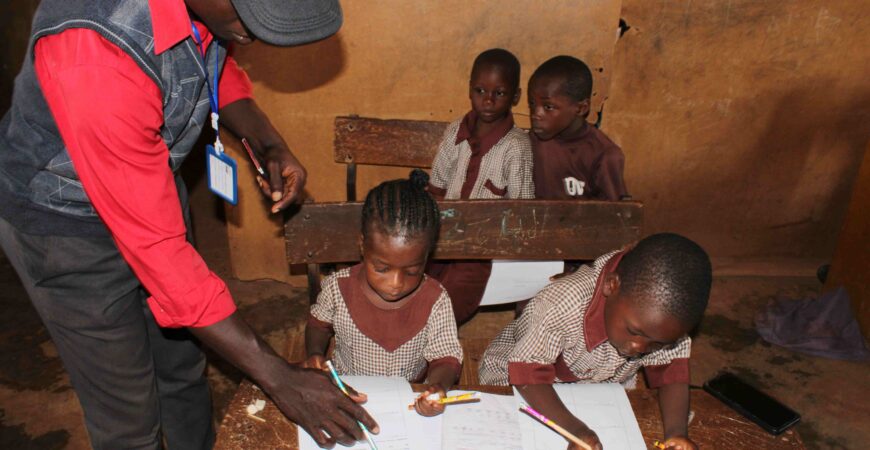
Error Analysis and Formative Assessment in Mathematics for Basic Classes
Executive Summary
This report presents the findings of a research project conducted in primary schools in Ibadan, Nigeria, to investigate teachers’ experiences and insights regarding error analysis and formative assessment in mathematics for basic classes.
The project aimed to identify common student errors, explore teacher practices, and provide recommendations for improving teaching and learning.
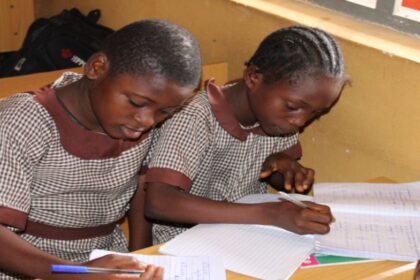
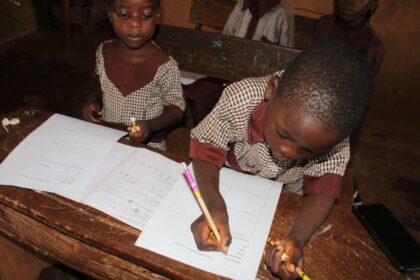
Key findings include
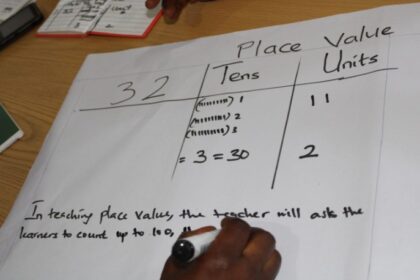
Common Student Errors: Students frequently struggled with place value concepts, particularly distinguishing between tens and units. Addition and subtraction operations, especially involving carrying and borrowing, were also challenging.
Teacher Perspectives: Teachers expressed a need for more effective strategies to identify and address student errors.
Many were interested in exploring the potential of error analysis and formative assessment.
Training and Implementation
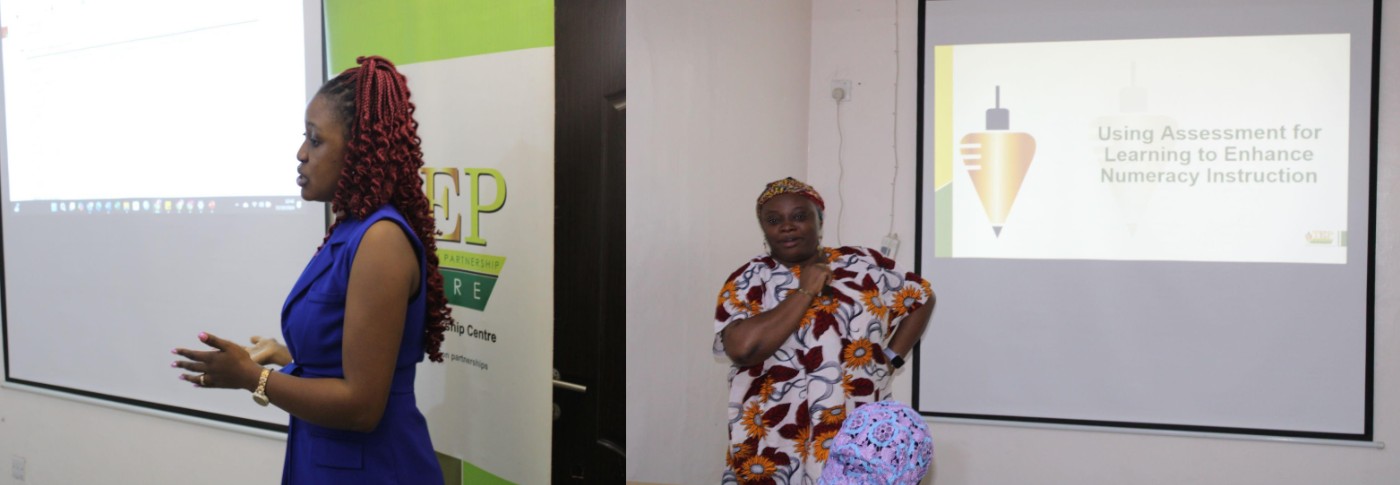
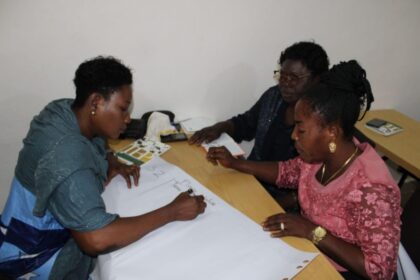
Training sessions for enumerators and teachers were conducted to enhance their understanding of error analysis and formative assessment principles.
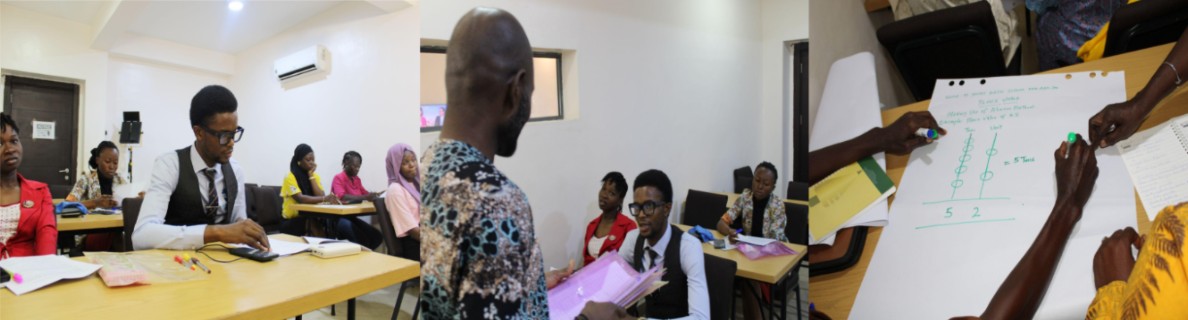
Recommendations: The report recommends incorporating error analysis and formative assessment into regular teaching practices to improve student learning outcomes and address common challenges.
Introduction
Mathematics is a fundamental subject that plays a crucial role in students’ academic and personal development. However, many students encounter difficulties in learning mathematics, particularly in the early grades.
Understanding and addressing common student errors is essential for effective teaching and learning.
This research project aimed to investigate teachers’ experiences and insights regarding error analysis and formative assessment in mathematics for basic classes. The study focused on identifying common student errors, exploring teacher practices, and providing recommendations for improving teaching and learning.
Methodology
The research was conducted in the following primary schools in Ibadan, Nigeria;
- St. James Anglican Primary School II Agodi Village, Iyana Church, Ibadan, Oyo State.
- Community Model Basic School, Elewura Challenge, Ibadan, Oyo State.
- St. James Basic School, Oke Ado, Ibadan, Oyo State.
- Methodist Basic School, Ososamu Oke Ado, Ibadan, Oyo State and
- St. Stephen’s Basic School, Alegongo, Ibadan, Oyo State.
The following steps were involved:
- Enumerator Training: Enumerators were trained to administer mathematics assessments to students and collect relevant data.
- Data Collection: Mathematics assessments were administered to students in basic classes 2-4.
- Error Analysis: The collected data was analyzed to identify common student errors.
- Teacher’s Interview: Interviews were conducted with teachers to gather their perspectives on teaching mathematics and addressing student errors.
- Training Sessions: Training sessions were organized to introduce teachers to the concepts of error analysis and formative assessment.
Findings
Common Student Errors
Place Value: Students frequently struggled to distinguish between tens and units, leading to errors in calculations.
Operations: Addition and subtraction, especially involving carrying and borrowing, were challenging for many students.
Teacher Perspectives
Teachers expressed a need for more effective strategies to identify and address student errors.
Many teachers were interested in exploring the potential of error analysis and formative assessment.
Recommendations
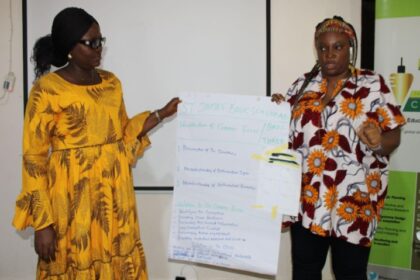
Based on the findings of this research, the following recommendations are made:
- Incorporate Error Analysis: Teachers should regularly analyze student errors to identify patterns and inform their instruction.
- Utilize Formative Assessment: Formative assessments can provide valuable feedback to both teachers and students, helping to identify areas for improvement.
- Provide Targeted Support: Teachers should provide targeted support to students who are struggling with specific concepts or skills.
- Continue Professional Development: Ongoing professional development opportunities should be provided to teachers to enhance their knowledge and skills in mathematics education.
Conclusion
This research project has highlighted the importance of error analysis and formative assessment in improving mathematics education. By understanding and addressing common student errors, teachers can provide more effective instruction and support to their students.